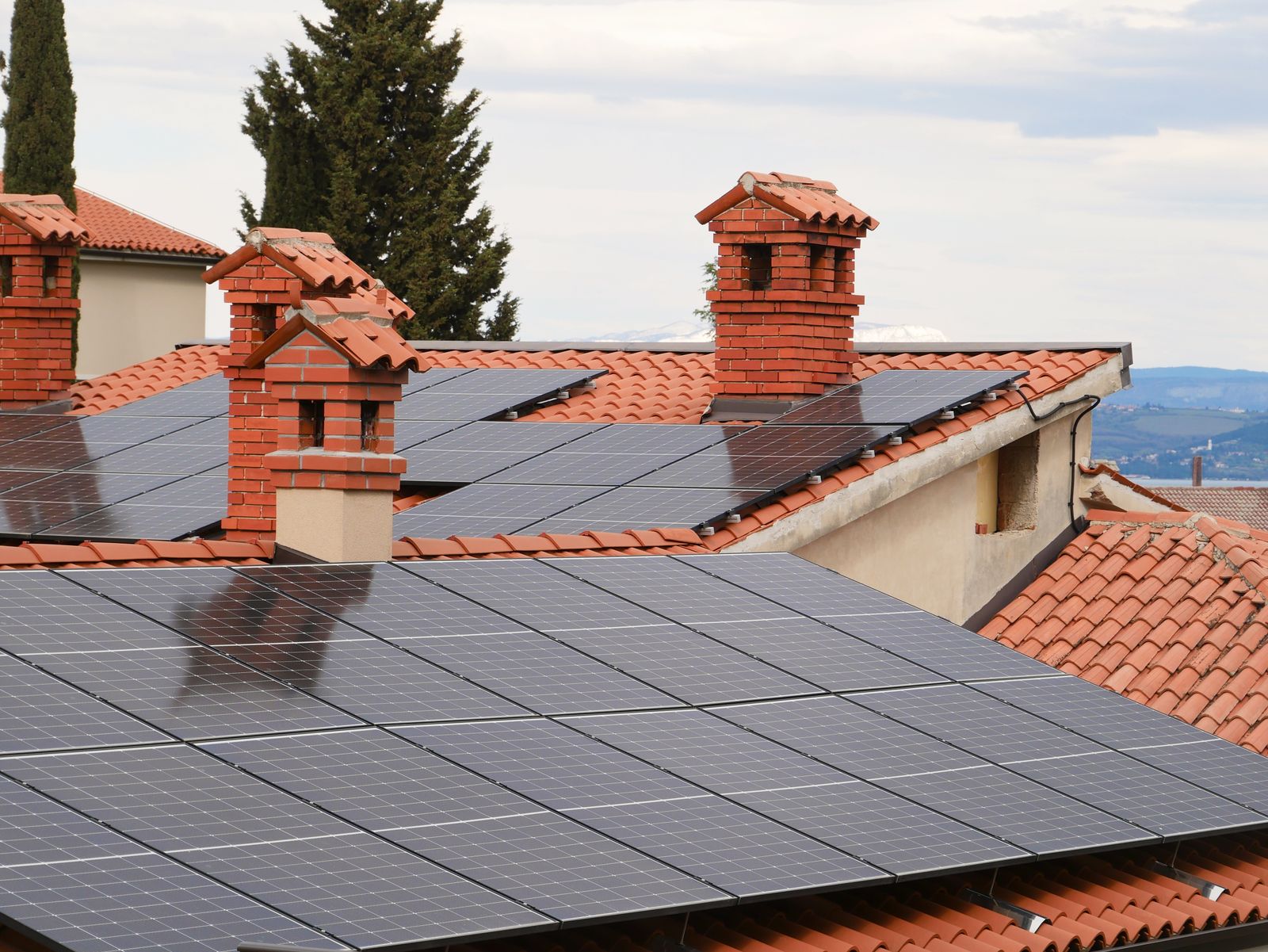
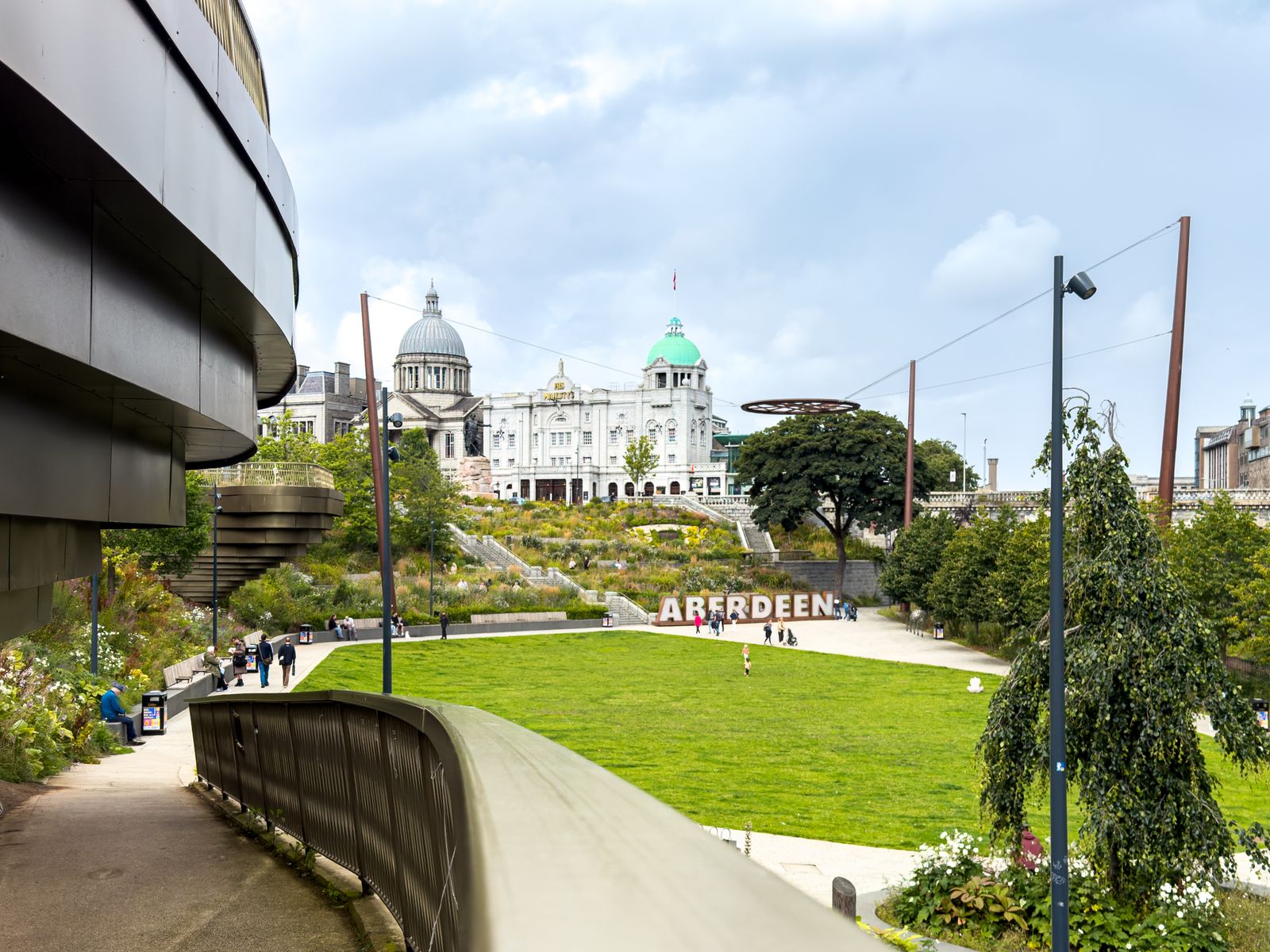
These guides explain how solar panels work in Scotland’s climate, when adding a battery makes sense, what a home survey checks, and how to move away from oil heating. They also cover planning permission, SSEN grid notification and the questions to ask any installer, so you can make a clear, informed decision about your home.
Last updated: · Reviewed by the Scottish Energy Efficiency team
GUIDES
Start with the question on your mind
How solar works in Scotland’s climate
Solar panels run on daylight, not just bright sunshine, so they still produce electricity on cloudy days. North East Scotland’s long summer days help balance out the shorter winter months.
Read more
Cooler temperatures also suit panels, which tend to work more efficiently when they are not overheating. Your survey looks at your roof direction and shading to set realistic expectations for your home.
Most existing solar systems can take a battery. It stores spare daytime electricity so you can use it in the evening rather than sending it all to the grid.
Read more
A battery can sit alongside your current inverter or be paired with a hybrid inverter. The survey checks your inverter, fuse board and the space available before anything is quoted.
A survey looks at your roof structure and condition, shading through the day, and your electrics. It is the step that turns a rough idea into a design that suits your home.
Read more
The surveyor also checks where an inverter, battery or heat pump could go. You then receive a written, no-obligation quote, with nothing agreed until you are happy.
Many rural Aberdeenshire homes rely on oil or LPG. An air source heat pump replaces deliveries with electricity, and pairs well with solar panels and a battery.
Read more
Insulation, radiator sizes and outdoor space all matter. A survey checks each of these so the heat pump is designed around how your home holds heat.
Most roof-mounted solar on houses in Scotland falls under permitted development, though listed buildings and conservation areas can need consent. Aberdeen sits on the SSEN North network, which must be notified of new systems.
Read more
Your installer handles the SSEN grid notification for you. If your home is listed or in a conservation area, raise it early so any planning checks can be made before work is booked.
Ask whether the work is carried out through MCS-certified partners, and what guarantees they offer. Check what warranties cover the panels, inverter, battery and workmanship.
Read more
A good quote is written, itemised and clear about what happens after installation. Take your time, ask questions and never feel pressured to sign on the day.
Call us or send a message and an adviser will talk it through. There is no obligation, and you can ask as many questions as you like before deciding on a survey.
QUESTIONS
Questions about solar in Aberdeen
Do solar panels work well in Aberdeen weather?
Solar panels generate electricity from daylight, not direct sunshine, so they still produce power on cloudy days common in Aberdeen. Output is lower in winter than summer, but a well-designed system with battery storage can still reduce your grid use across the year. A survey shows what your roof could produce.
Is a battery worth adding with solar?
A battery lets you store surplus electricity generated during the day for use in the evening, which can cut the amount you buy from the grid. Whether it is worth it depends on when you use power and your usage pattern. We talk you through the trade-offs at the survey stage.
What direction should my roof face?
A south-facing roof gives the highest total output, but east and west-facing roofs can still work well, spreading generation across the day. North-facing roofs are usually not worth installing on. We assess orientation and shading at the survey to design the right setup for your home.
How do I know if my roof is suitable?
Roof condition, orientation, angle, and available space all affect suitability. A free survey tells you whether your roof can take panels, how many would fit, and whether any repairs are needed first. We give you an honest assessment rather than a sales push.
Can I add panels or a battery later?
You can often add a battery to an existing solar system later, and some roofs have room for extra panels. It helps to plan ahead at the design stage so your inverter and wiring can accommodate expansion. We discuss your options during the survey so nothing is locked off.
Ready to talk about your home?
Tell us about your home and we will arrange a survey and a written, no-obligation quote.
Yes. Solar panels run on daylight, not heat, so they still generate on bright overcast days. Scottish homes produce most in spring and summer and less in winter. A battery stores daytime surplus for the evening, so you use more of what your roof makes instead of exporting it cheaply.
How much does a solar and battery system cost in Aberdeen?
It depends on your roof, your electricity use and the battery size, so we do not quote a price without seeing the property. We arrange a free survey and then give you a written, itemised quote. Interest-free credit available, subject to status.
How do I find a solar installer near me in Aberdeen?
Call 0141 230 0198 or fill in the quote form on this page. We arrange a survey at your home and we install through MCS-certified partners who cover Aberdeen and the rest of Scotland.
Can I add a battery to the solar panels I already have?
In most cases, yes. An AC-coupled battery can be added to an existing system without replacing your inverter, and it lets you store solar power for the evening or charge on a cheaper overnight tariff.
How quickly can I get a quote?
Call 0141 230 0198 or send the form. We call you back to book a survey at a time that suits you, and you receive a written quote after the survey with no obligation to go ahead.
We use cookies to improve your experience and analyse site traffic.