SOLAR AND BATTERY · COMPARISON
Solar with or without a battery?
A plain side-by-side to help you decide whether panels alone or panels with a battery suit your Aberdeen home.
Quick answer
Solar panels alone power your home during daylight and send any spare electricity to the grid. Adding a battery stores that spare daytime electricity so you can use it in the evening. A battery suits households who are out during the day. You can start with panels and add a battery later, and a survey confirms the right setup.
Last updated: · Reviewed by the Scottish Energy Efficiency team
SIDE BY SIDE
How the two setups compare
| Solar panels only | Solar panels with a battery | |
|---|---|---|
| What it does | Turns daylight into electricity your home uses as it is made. Any spare goes to the grid. | Does the same, then stores spare daytime electricity in a battery to use later. |
| Suits | Homes where someone is in during the day, or where a simpler setup is preferred. | Households who are out during the day and use most of their electricity in the evening. |
| Evening use | After dark your home draws from the grid as normal. | Stored solar electricity can run the home into the evening before the grid takes over. |
| Power cuts | Panels switch off during a power cut for safety. | A standard battery setup does not automatically provide backup power. Backup needs specific equipment, so ask for it at survey stage. |
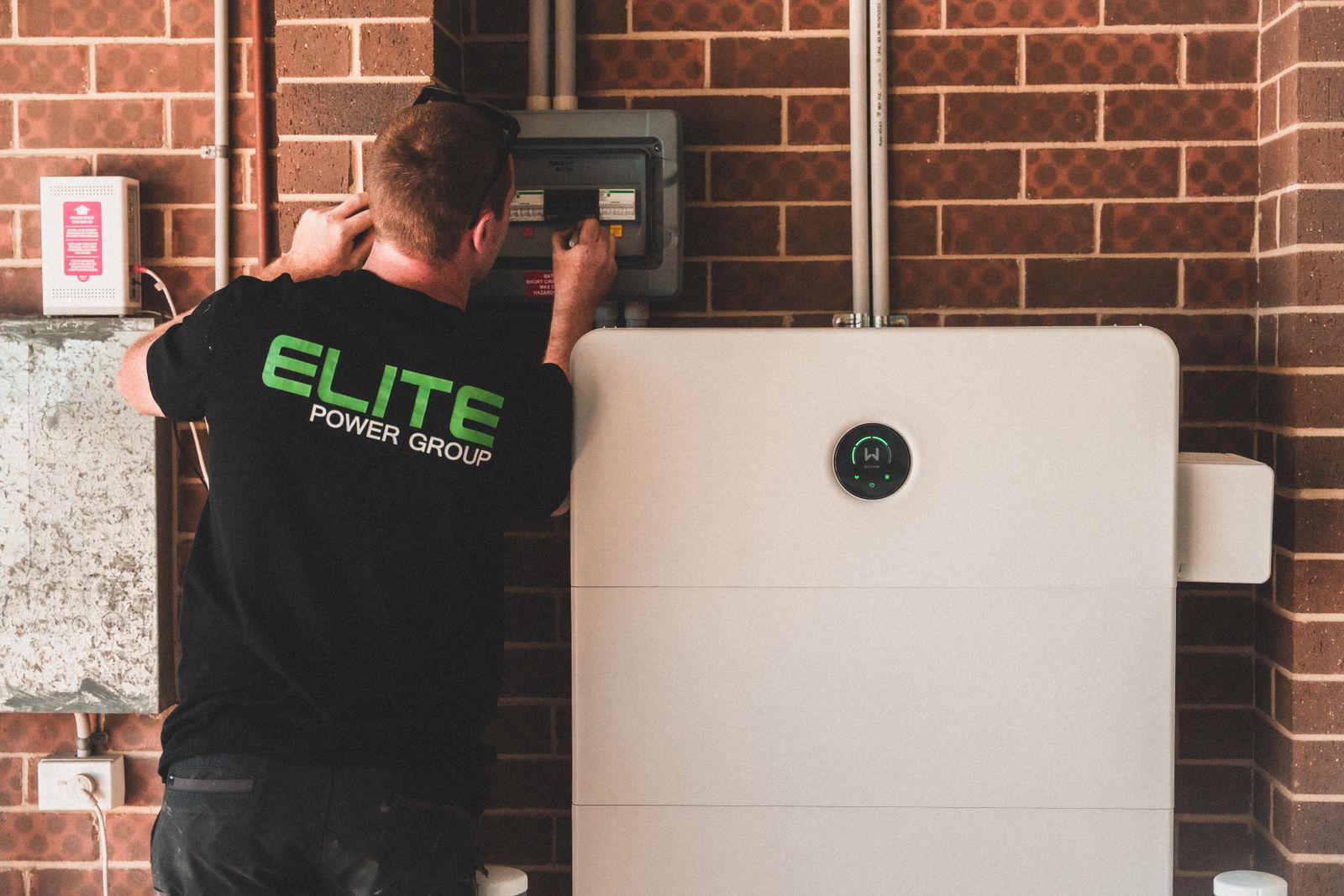
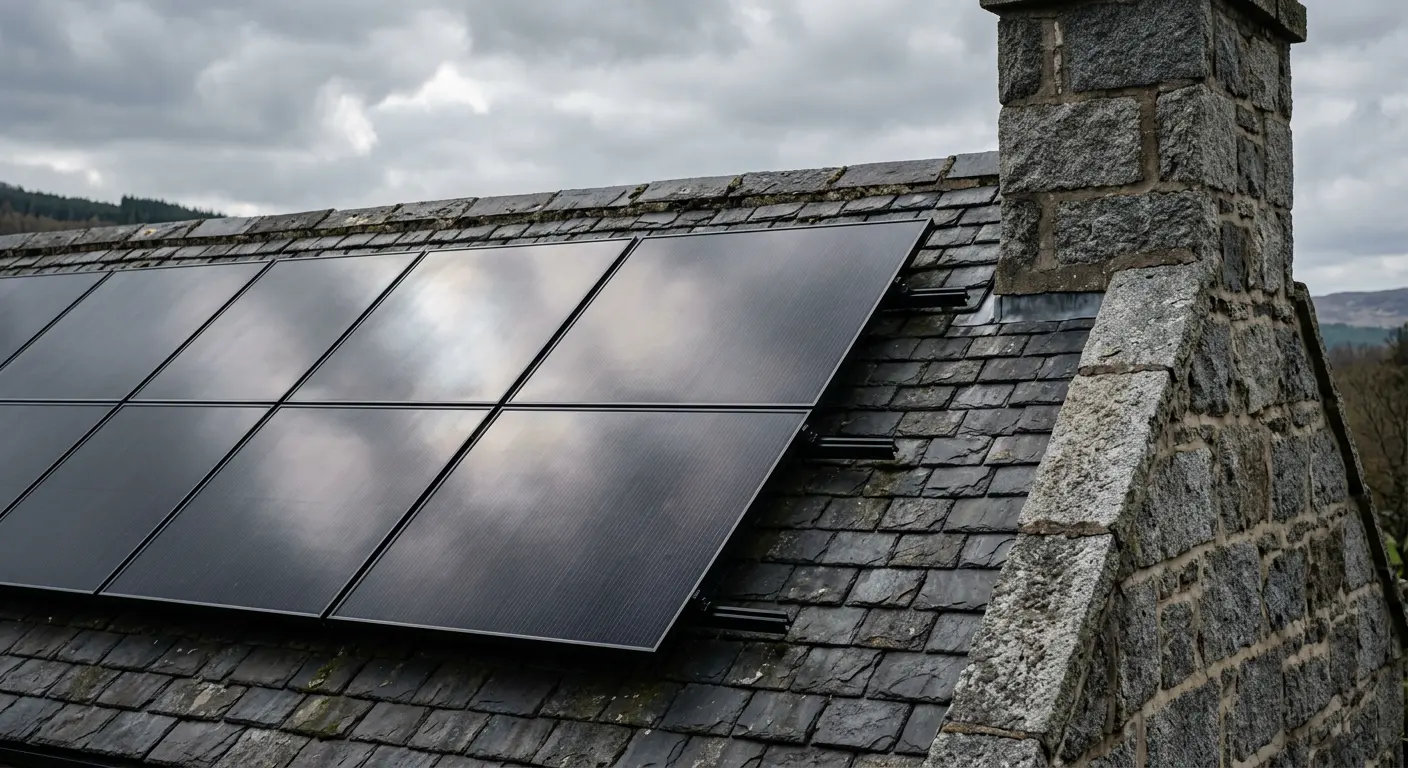
| Space needed | Roof space for the panels and wall space for an inverter. | Roof space plus wall or floor space for the battery, often a garage, utility room or loft. |
| Add later? | Yes. Most solar systems can take a battery at a later date. | Already included. Some batteries can be extended with extra capacity later. |
Residential solar panels, batteries and heat pumps are currently zero-rated for VAT until 31 March 2027 (HMRC, VAT Notice 708/6).
HOW TO DECIDE
Three questions to ask yourself
There is no single right answer. The choice comes down to when you use electricity, the space you have and how you would like the system to grow.
Think about your day
If your home is empty from morning until evening, a battery helps you use more of what your panels make.
Check your space
Batteries need a suitable wall or floor area. Your survey confirms where one could safely go.
Start simple if you prefer
Panels on their own are a sound first step. A hybrid inverter can make adding a battery later more straightforward.
GET A QUOTE
Not sure which suits you?
Tell us a little about your home. An adviser will arrange a survey and talk you through both options in a written quote.
- Survey and written quote, no obligation
- We install through MCS-certified partners
- Interest-free credit available, subject to status.
Get Your Quote
Two minutes. No obligation. No deposit.
No obligation · We install through MCS-certified partners · Scottish homes and businesses
QUESTIONS
What do people ask about solar and batteries?
Will a battery keep my lights on in a power cut?
Not automatically. Most standard battery setups shut down with the grid for safety. Backup or emergency power needs specific equipment and wiring, so mention it at your survey if it matters to you.
Can I add a battery to panels I already have?
Usually, yes. A battery can often be added alongside your current inverter or with a hybrid inverter. The survey checks your inverter, fuse board and available space before anything is quoted.
Do I still get paid for exported electricity with a battery?
You can still export spare electricity through the Smart Export Guarantee with or without a battery. With a battery you simply use more of your own electricity first, so less tends to be exported.
Where would the battery go?
Common spots are a garage, utility room or suitable loft. It needs to be somewhere dry with enough ventilation and safe access, and your installer will confirm the right location during the survey.
Find out which setup suits your home
Tell us about your home and we will arrange a survey and a written, no-obligation quote.
No obligation · We install through MCS-certified partners · Scottish homes and businesses